
Hotel Massage Chair: What If Your Lobby Could Do More?


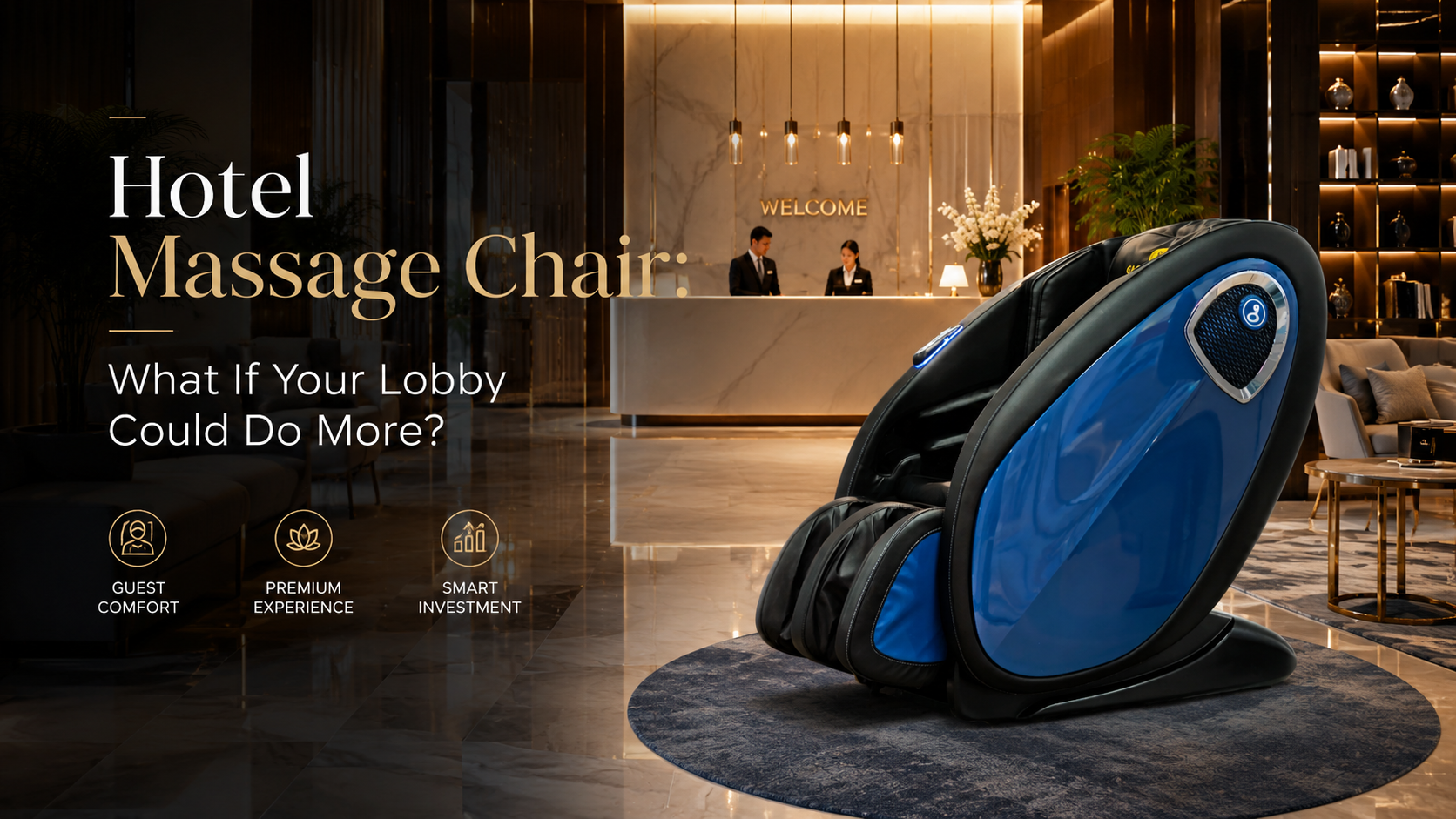
Hotel Massage Chair: What If Your Lobby Could Do More?
Picture this: a guest arrives at your hotel after a long flight. Their room isn't ready yet, so they have 30 minutes to spare in the lobby.
They could scroll through their phone.
Or they could sit back and relax.
That simple difference is one reason the hotel massage chair is becoming an interesting addition to modern hospitality spaces. Instead of treating waiting time as wasted time, hotels can turn it into an opportunity for relaxation, convenience, and potentially additional revenue.
The idea is particularly appealing because it doesn't require a hotel to build a spa or hire a full-time massage therapist. A strategically placed chair can introduce a self-service wellness experience within a relatively small footprint.
Why Put a Hotel Massage Chair in the Lobby?
Hotel lobbies are designed for movement and waiting. Guests check in, meet friends, wait for transportation, work between appointments, or simply take a break.
That makes the lobby an interesting location for a hotel massage chair.
Rather than allowing guests to spend those moments doing nothing, hotels can provide an experience that feels useful.
A massage chair can be particularly appealing to:
- Travellers recovering from long flights
- Business guests between meetings
- Tourists returning after a day of sightseeing
- Guests waiting for transportation
- Visitors waiting for check-in or companions
The concept isn't about replacing a hotel spa. It's about providing another level of convenience.
5 Hotel Massage Chair Benefits Worth Considering
Before adding any new amenity, hotel operators need to consider whether it genuinely adds value. Several hotel massage chair benefits make this concept worth exploring.
1. Convenience Without an Appointment
Traditional spa treatments require scheduling. A self-service chair can be used when the guest wants it, making relaxation much more spontaneous.
2. Minimal Space Requirements
A hotel doesn't necessarily need an entire wellness room. A carefully selected chair can fit into a lobby, lounge, fitness area, or other suitable space.
3. An Extra Guest Amenity
Guests often remember small conveniences that make their stay easier. A massage option can complement existing hotel amenities such as gyms, pools, lounges, and spas.
4. A More Interesting Waiting Experience
Waiting is unavoidable in hospitality. The goal is to make waiting feel less like waiting.
5. Potential Commercial Value
Depending on the operating model, massage chairs can potentially create an additional revenue stream rather than simply becoming another hotel expense.
What Makes a Massage Chair for Hotel Lobby Spaces Different?
Not every massage chair is suitable for a hospitality environment.
A massage chair for hotel lobby use needs to fit the character of the property while also being practical for repeated use.
Hotels should consider:
- Durability
- Ease of operation
- Cleaning and maintenance
- Available floor space
- User privacy
- Design and appearance
- Payment options
- Customer traffic
- Accessibility
A luxury hotel may want a premium-looking setup that blends into its interior design, while a busy airport hotel may prioritize simplicity, durability, and quick sessions.
The best solution depends on the environment.
Could a Massage Chair Actually Make Money for a Hotel?
This is where the concept becomes particularly interesting.
Hotels constantly look for ways to increase the value of their existing spaces. A lobby corner, lounge, or waiting area might already receive substantial foot traffic without directly generating revenue.
A massage chair revenue model can potentially change that.
Depending on the partnership structure, guests may pay for individual sessions while the hotel or location partner receives an agreed share. Other arrangements may involve complimentary use as part of the guest experience.
The important point is that the business model should be designed around the property's audience, traffic patterns, and operational goals.
Commercial massage-chair partnerships in Canada are also being positioned around hotel-lobby placements and revenue-sharing opportunities, demonstrating how the concept can extend beyond simply selling equipment.
The Psychology Behind a Better Hotel Guest Experience
Hospitality is full of small moments.
A fast check-in.
A comfortable bed.
A good cup of coffee.
A quiet place to work.
A helpful staff member.
These details collectively shape how guests remember a property.
A massage chair can fit into that same philosophy.
Instead of asking, “What major amenity can we add?”, hotels can ask a more useful question:
“What small experience could make our guests' day easier or better?”
That shift in thinking is at the heart of modern hotel guest experience strategies.
Hotel Wellness Is Becoming More Accessible
Wellness doesn't necessarily mean a luxury spa with treatment rooms, saunas, and therapists.
It can also mean giving travellers accessible opportunities to relax throughout their stay.
That is why hotel wellness amenities are expanding beyond traditional spa services. A hotel gym, quiet lounge, healthy breakfast options, recovery equipment, and self-service relaxation experiences can all contribute to a broader wellness-focused environment.
A massage chair fits naturally into this approach because it allows guests to decide when and how they want to use it.
Where Should a Hotel Place a Massage Chair?
Placement can make or break the experience.
A chair hidden behind a wall may receive little attention, while one positioned directly in a crowded walkway may feel uncomfortable to use.
Potential locations include:
- Hotel lobbies
- Guest lounges
- Fitness centres
- Pool areas
- Executive lounges
- Waiting areas
- Airport hotel common spaces
The ideal position should balance visibility, accessibility, comfort, and traffic flow.
Guests should notice the chair without feeling as though they're sitting in the middle of a crowd.
What About Airports, Malls and Other Locations?
The same concept can extend well beyond hotels.
Airports naturally create periods of waiting, which makes them particularly suitable for self-service relaxation. Shopping malls also provide opportunities because customers frequently walk for extended periods and take breaks between stores.
Commercial massage chairs are already being positioned for airports, malls, gyms, hotels, resorts, and other high-traffic environments.
This versatility is what makes the concept interesting for location partners: the chair isn't tied to one particular type of property.
A Small Amenity With a Bigger Hospitality Idea
The hotel massage chair isn't simply about giving guests another place to sit.
It's about rethinking what a hotel space can accomplish.
A waiting area can become a relaxation area.
Unused space can become a guest amenity.
A few spare minutes can become a memorable experience.
And, depending on the business model, an ordinary part of the property can potentially become an additional source of revenue.
Gagake iSPA Express's self-service massage concept is designed around this idea, bringing automated relaxation experiences into high-traffic environments such as hotels, airports, malls, and gyms.
For hotels considering their next guest-experience upgrade, the question may not be whether they need another major facility.
It may simply be:
What could your guests do with the 15 minutes they already have?
Sometimes, the answer could be a little relaxation.


Frequently Asked Questions
Common options include hotel lobbies, lounges, fitness areas, waiting zones, and other suitable guest spaces.
Depending on the partnership model, massage chairs can potentially provide an additional revenue opportunity for participating properties.
Self-service models are generally designed for on-demand use, so guests can use them without booking a traditional spa appointment.
Yes. The right chair and placement can complement a premium property's design while adding a convenient wellness experience.